
What "cold" actually means
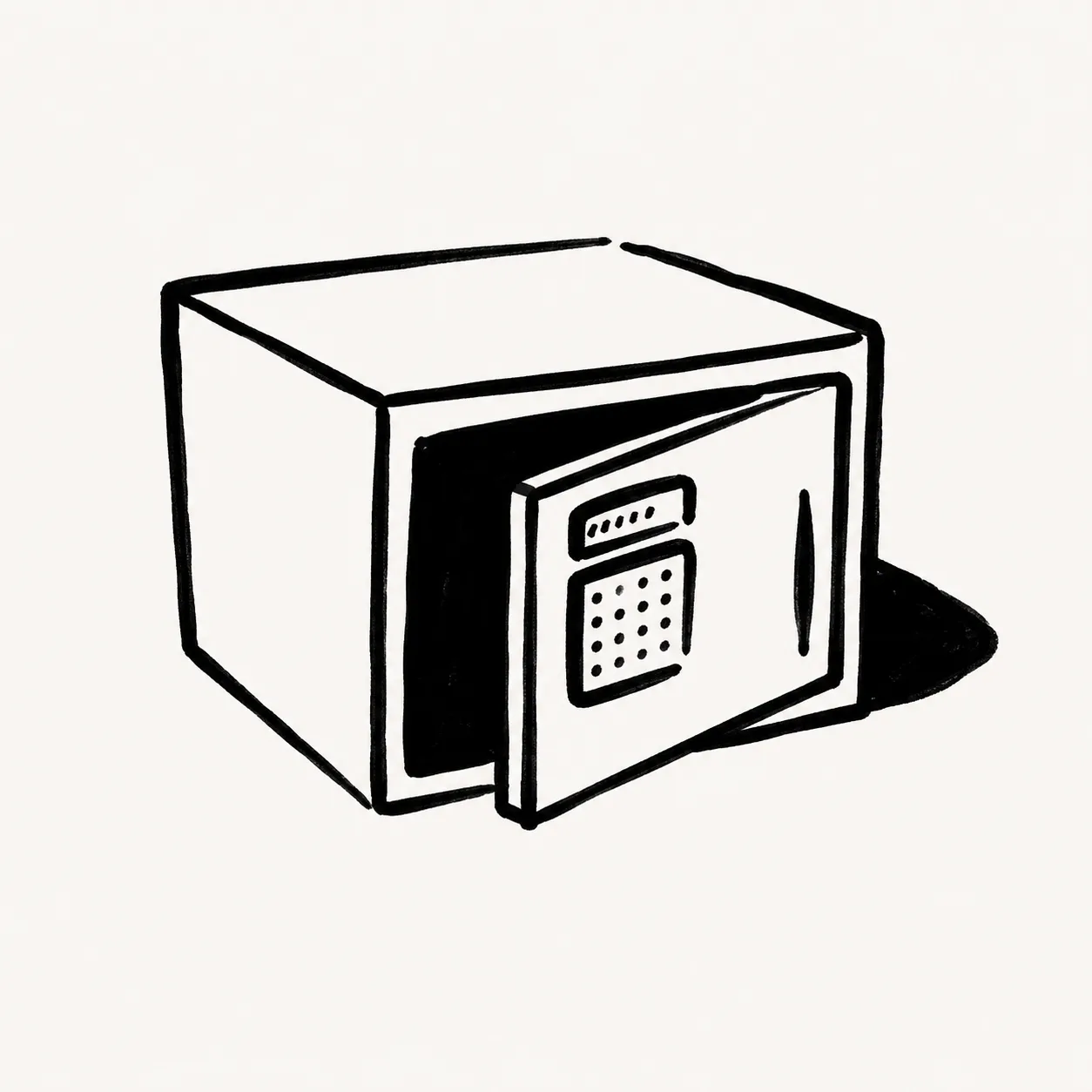
Cold storage is not a product, it is a property: the keys that sign live on a machine that stays offline. Everything else (balances, proposals, policies) can live online. Only the final signature happens air-gapped.
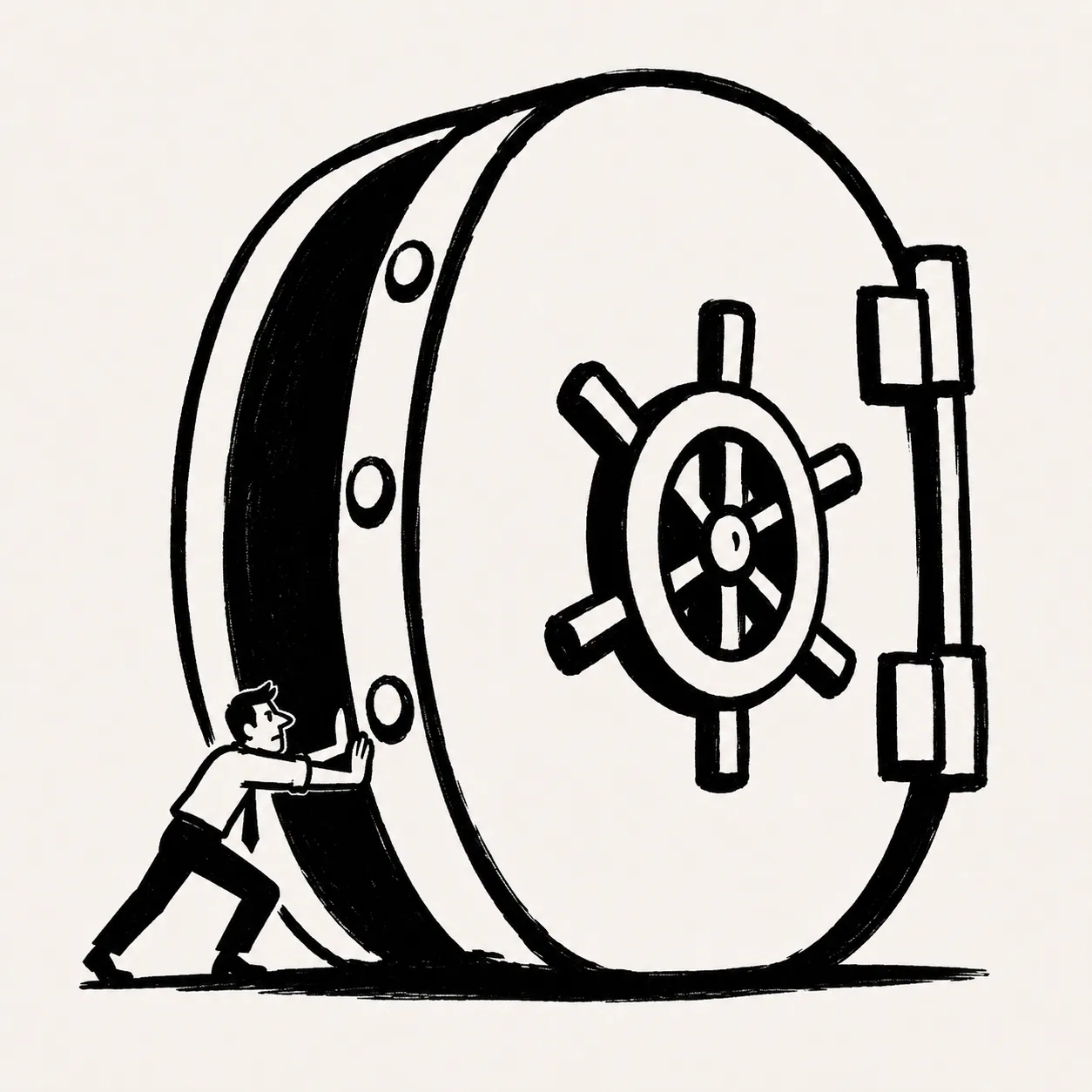
The trick is making that property convenient enough that you actually keep it. A vault you dread opening is a vault you will eventually shortcut.
The ceremony, step by step
Block out an afternoon, grab two people, and work through it without rushing:
- Set up a clean machine you'll use only for this vault. Create the treasury vault on it with the Guveno SDK or CLI. The recovery phrase is made on that machine and sealed before anything leaves it, so Guveno only stores a copy it can't open. Then take the machine offline and keep it that way.
- Write the recovery phrase on steel, not paper, and keep two full copies in two separate places.
- Watch the vault's balances from the Guveno dashboard on your normal computer. Watching needs no key.
- Send a tiny test deposit, then do one full offline withdrawal (prepare online, sign on the offline machine, broadcast online) before you trust it with real funds.
Keeping cold usable
Guveno watches the cold wallet's addresses online, so deposits and balances show up without touching the offline machine. When you need to move funds, get everyone and the offline machine ready first. Then prepare the send online, carry the unsigned payload to the offline machine, sign it, and broadcast it, all in one sitting: a prepared send stays valid for 15 minutes. Top up cold on a schedule you set, by sending from your hot wallet to a cold address, and keep only a working float hot.