
The control nobody talks about
Most security conversations are about keys and signatures: who can sign. Velocity is about something quieter and just as important: how much can leave, how fast. A wallet with perfect signing but no velocity limit can still be drained in a single bad afternoon.
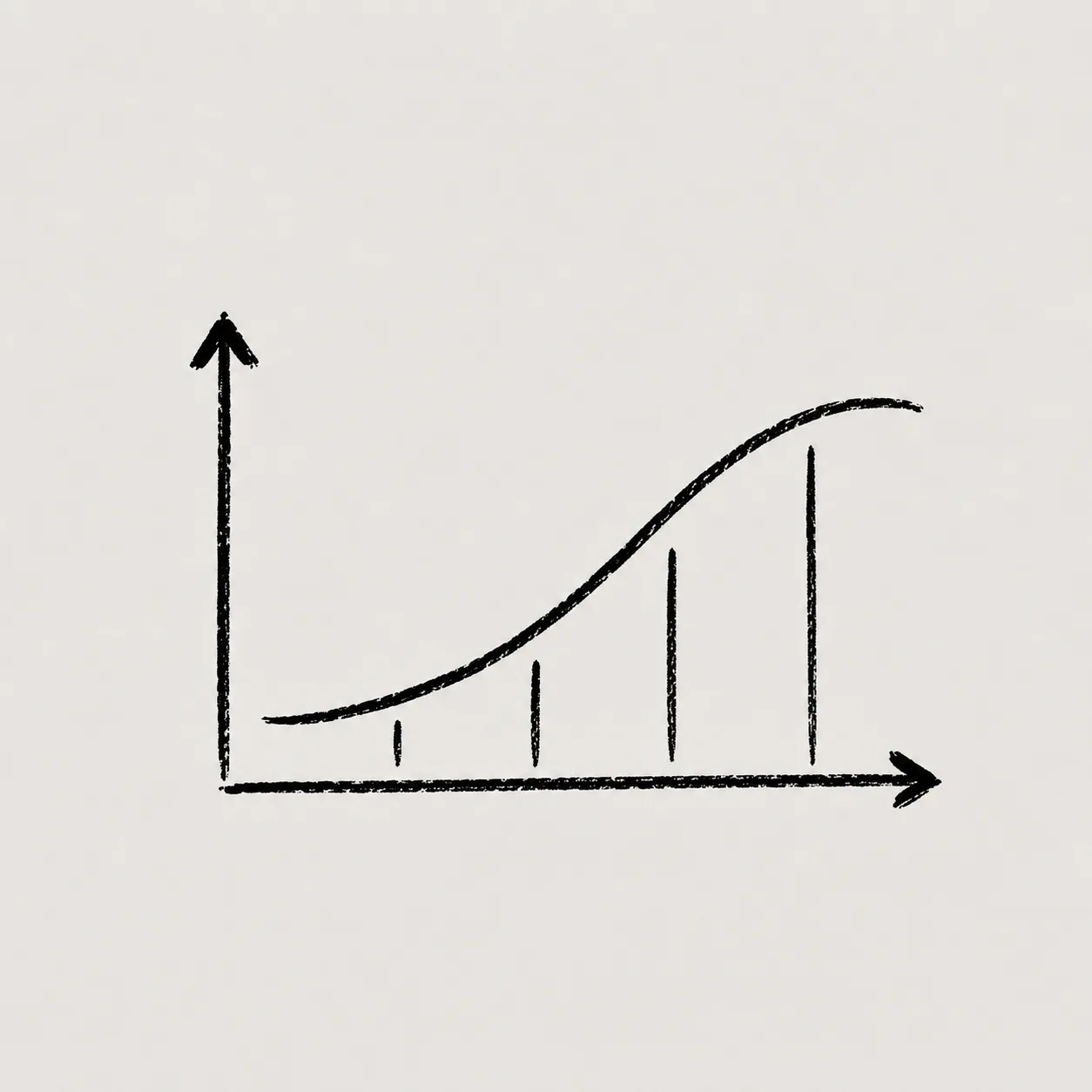
A rolling limit caps the total value that can leave in a window, say $50k in 24 hours and $200k in 7 days. In Guveno these are spending policies (Security, then Policies, on Pro and Enterprise). When a send would cross the line, you choose what happens: block it, hold it for approval, or let it through and tell the owners and admins.
Why a rolling window beats a hard cap
A hard daily cap resets at midnight and ignores what happened yesterday. A rolling window does not: it always looks at the last 24 hours, so an attacker cannot wait for a reset to drain you in two halves. It also bends gracefully. On a busy payroll day, the send over the limit waits for an approval instead of failing outright.
Note: a spending policy checks every send that goes through Guveno, including ones your API keys and AI agents start. It doesn't replace good key hygiene. Someone who already holds a recovery phrase could sign elsewhere, so keep the treasury in its own vault with few key holders. And if Guveno can't get a price for an asset, the send is treated as over the limit, never under it.

How to set yours
Set the 24-hour limit a little above a normal day (around 1.5× your usual daily outflow) and the 7-day limit a little above a normal week (around 1.5× your usual weekly outflow). That covers an ordinary week without a second thought, and turns an extraordinary one into a deliberate, approved decision rather than a silent loss.